
Master Real Money Casino Games Now: High Stakes, Instant Play
Boredom and the desire for quick, engaging entertainment can be hard to satisfy, and that is precisely the void that casino games fill. These games are built on simple mechanics of chance and strategy, where players wager on outcomes determined by random number generators or physical cards and dice. The fundamental benefit is the immediate thrill of a potential win, combined with straightforward rules that allow anyone to start playing in seconds. To use them, you simply select a game, place your bet, and await the result, making the core gameplay loop the primary source of excitement.
Understanding House Edge and Player Odds
The house edge is the built-in mathematical advantage that ensures the casino profits over time, expressed as a percentage of each bet it expects to keep. In games like blackjack, this edge can be as low as 0.5% with perfect basic strategy, while a slot machine might hold 10% or more. Your “player odds” simply reflect your chance of winning a given bet versus the payout you receive.
For example, in European roulette, a straight-up bet has 1-in-37 odds, but the casino pays only 35-to-1—that 2.7% gap is the house edge.
To improve your odds, always choose games with lower house edges and learn the correct rules or strategies, as every poor decision widens that gap against you.
How the math tilts the floor in favor of the house
The core mechanism is the built-in statistical advantage, a mathematical edge embedded in every game’s rules, not luck. In roulette, the extra green zero pockets skew the odds, meaning you’re paid less than true probability dictates—the house wins on that fraction. Blackjack’s house edge comes from the dealer acting last; if you both bust, you lose first. Even with perfect basic strategy, the math ensures you cannot overcome this cumulative deficit over time. Slots achieve this through a programmed payback percentage that trails player investment. Every spin, hand, or roll is a micro-transaction where the house collects a tiny cut, guaranteeing its profit regardless of short-term player wins.
| Game | How the Math Tilts the Floor |
|---|---|
| Roulette | Extra zero(s) on the wheel create a payout that is less than true odds. |
| Blackjack | Dealer acts last, collecting player bets even when both bust. |
| Slots | Programmed RTP (Return to Player) ensures a mathematical shortfall over time. |
RTP percentages and what they mean for your bankroll
RTP, or Return to Player percentage, directly defines the theoretical long-term return of a game, such as 96% on a slot. For your bankroll, this number dictates the expected loss over time; a 96% RTP means you forfeit $4 for every $100 wagered on average. To manage funds effectively, always prioritize games with the highest RTP, as this minimizes the house edge’s erosion of your balance. Strategic bankroll management relies on identifying these percentages—a 1% difference dramatically alters your play duration. For optimal fund usage:
- Check the RTP in a game’s paytable or help menu before betting.
- Select versions with RTP above 98% (e.g., Blackjack) to stretch your bankroll per session.
- Calculate expected loss: divide bankroll by (1 – RTP) to estimate rounds before depletion.
Volatility versus variance in modern gaming
In modern gaming, volatility describes the frequency and size of payouts, while variance specifically measures the statistical distribution of those results around the expected return. High-volatility slots offer rare but large wins, requiring larger bankrolls to withstand dry spells; low-volatility games provide frequent, smaller payouts that sustain play. Variance quantifies the mathematical spread, but volatility guides practical session strategy. Understanding volatility versus variance in modern gaming helps players choose machines matching their risk tolerance and session length. Variance is a data metric, but volatility is a player-experience tool.

Q: How does volatility versus variance in modern gaming affect my betting strategy?
A: High volatility demands larger bankrolls and patience for big wins, while low volatility suits smaller bets on extended play; variance tells you how far results can stray from the house edge over time.
Classic Table Offerings and Their Strategy Layers
Classic table offerings like blackjack, roulette, and baccarat each come with distinct strategy layers that shift your approach from pure luck to calculated play. In blackjack, the core layer is basic strategy—a chart of when to hit, stand, double, or split based on your hand and the dealer’s upcard. Below that is card counting, a deeper layer that tracks high and low cards to adjust bets. For roulette, the strategy layer is about bankroll management and bet selection—inside bets offer bigger payouts but lower odds, while outside bets provide steadier wins. Baccarat keeps it simpler: the player and banker bets have fixed house edges, so the key strategic layer is avoiding the tie bet entirely.
Knowing which layer to apply—and when—is what separates mindful play from mindless wagering.
Blackjack: card counting, basic strategy, and dealer tells
Blackjack strategy layers from fundamental to advanced. Basic strategy provides a mathematically optimal play chart based on the player’s hand versus the dealer’s upcard, minimizing the house edge to under 0.5%. Card counting elevates this by tracking the ratio of high to low cards remaining in the shoe, allowing bet spreads and deviation from basic strategy when the count is favorable. Dealer tells, though less reliable, involve observing unconscious physical habits—such as a dealer’s grip or glance at the hole card—that might reveal a bust or pat hand before the reveal. Counting loses effectiveness with continuous shuffling machines, while tells vanish against automated shoes.

| Aspect | Skill Level | Edge Gain |
|---|---|---|
| Basic Strategy | Beginner | ~0.5% reduction |
| Card Counting | Advanced | ~1–2% positive |
| Dealer Tells | Expert | Inconsistent |
Roulette: inside bets, outside bets, and wheel biases
Roulette’s strategic depth splits into inside bets, outside bets, and wheel biases. Inside bets, such as straight-ups and splits, offer high payouts but low probability, demanding risk tolerance. Outside bets like red/black or odd/even provide near 50% win chances, ideal for capital preservation. A sharper layer involves identifying wheel biases—physical imperfections causing certain numbers to hit more frequently over thousands of spins. Spotting these deviations, by tracking a specific wheel’s history, transforms roulette from pure chance into an exploitable game, where disciplined bet selection on biased numbers can tilt long-term odds in your favor.

Baccarat: betting on banker, player, or tie patterns
In Baccarat, betting on banker, player, or tie patterns involves observing past outcomes to predict future results, though each hand remains statistically independent. The banker bet offers the lowest house edge, around 1.06%, making it the most advantageous pattern. Player bets carry a slightly higher house edge of 1.24%, while tie bets, despite tempting payouts, have a steep house edge exceeding 14%. Pattern tracking, such as noting streaks or alternating wins, is common but lacks mathematical validity. Successful strategy focuses on consistently wagering on banker due to its superior probability, while avoiding tie bets. Banker bet pattern strategy remains the core tactical approach for minimizing losses over time.
Slot Machines and Digital Reels
Slot machines and digital reels form the core of modern casino gaming, where the traditional mechanical spin has been replaced by a Random Number Generator (RNG) ensuring each result is independent and unpredictable. The paylines on these reels dictate winning combinations, and players should always check the paytable to understand symbol values and special features like wilds and scatters. The volatility rating directly affects how often and how much a machine pays out, with low volatility offering frequent small wins and high volatility risking larger gaps for bigger jackpots. Betting on all available paylines maximizes your chances of hitting a winning sequence on the digital reels.
Progressive jackpots versus fixed prize pools
When choosing between progressive jackpots and fixed prize pools, it really comes down to your appetite for risk. A fixed prize pool offers a predictable, sizable payout that won’t change no matter how many people play, giving you a clear goal. Progressive jackpots, however, grow with every bet placed across a network, sometimes reaching life-changing sums. The trade-off is that hit frequency is much lower on progressives, as you’re sacrificing smaller, more frequent wins for a tiny shot at a massive, growing pot. Fixed games return smaller, steadier rewards, while progressives demand patience for a potential monster payout.
Understanding paylines, scatter symbols, and bonus rounds
Mastering slot mechanics starts with understanding paylines, scatter symbols, and bonus rounds. Paylines are the predetermined patterns across the reels where matching symbols must land to award wins; more active lines increase your chances but raise the cost per spin. Scatter symbols typically trigger special features when they appear anywhere, bypassing payline restrictions, and often multiply your total bet. Bonus rounds are interactive mini-games activated by scatters or specific symbol combinations, offering free spins or pick-and-win prizes that substantially boost your potential payout. Recognizing how these three elements interact is critical to making informed bets and maximizing entertainment value.
Paylines define your winning paths, scatters unlock features without line restrictions, and bonus rounds deliver the highest potential rewards—together they form the core mechanics you must grasp to play slots intelligently.
Video slots with skill-based mini-games
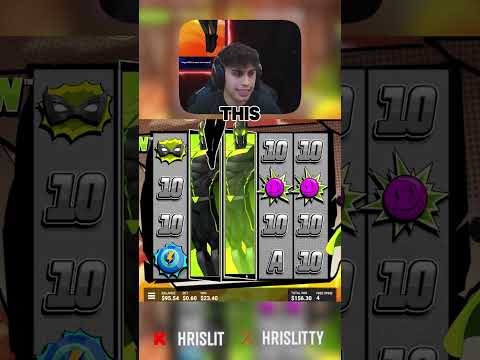
Video slots with skill-based mini-games break the pure randomness of standard reels by introducing interactive challenges that directly influence payout multipliers. After a base spin yields a qualifying trigger, players often enter a bonus round requiring aiming, timing, or pattern matching. These mini-games typically follow a logical progression:
- Complete a task—such as shooting targets or matching symbols under a timer—to accumulate points.
- The achieved score translates into a multiplier applied to the original stake.
- Finally, the system resolves the total win based on skill performance plus base-game payouts.
This hybrid design rewards practiced players while keeping the core reel-spin structure intact.
Poker Variants Found on the Floor
On the casino floor, the most common poker variant is Texas Hold’em, typically played as a cash game or tournament against other players. You will also find Three Card Poker, a fast-paced house-banked game where you compete against the dealer using only three cards. Other floor staples include Omaha Hold’em, often in high-hand formats, and Caribbean Stud, which uses a five-card hand and a progressive jackpot side bet. Unlike video poker, these table games rely on physical chips and a live dealer, requiring direct interaction rather than a digital interface. Each variant has distinct rules for betting rounds and hand rankings, so familiarizing yourself with the specific paytable and ante structure before sitting down is essential.
Texas Hold’em tournaments versus cash games
Texas Hold’em tournaments and cash games differ fundamentally in risk and reward structure. In tournaments, players buy in for a fixed amount and compete for a prize pool, with blinds rising at set intervals. This forces aggressive play as stacks shrink, creating a distinct survival pressure. Cash games, by contrast, allow players to buy in and leave at any time, with static blinds; here, decisions hinge on chip value tied directly to real money. Tournaments reward endurance and hand-reading under escalating pressure, while cash games emphasize consistent profitable play against varied opponents.
- Tournament blinds increase predictably; cash game blinds remain fixed.
- Cash game chips equal real money; tournament chips have no cash value until payout.
- Tournaments offer large multipliers for deep runs; cash games provide steady hourly returns.
Three Card Poker and Caribbean Stud mechanics
In Three Card Poker, you compete against the dealer using only three cards, where a straight or better qualifies for the ante bonus payout. The “Pair Plus” side bet wins independently if your hand contains any pair or higher. Caribbean Stud uses five cards, requiring a dealer’s hand of at least an Ace-King to qualify; if not, you win the ante even with a weak hand. Play or fold decisions hinge on hand strength—three-card hands rely on a Queen-high or better to call, while Caribbean Stud demands at least a pair. Both feature a progressive jackpot optional bet, but Caribbean Stud awards it only for a royal flush.
| Aspect | Three Card Poker | Caribbean Stud |
|---|---|---|
| Cards per hand | 3 | 5 |
| Dealer qualification | Always qualifies | Queen-high or better |
| Primary bet | Ante vs. dealer + Pair Plus | Ante vs. dealer |
| Fold threshold | Queen-high or lower | Less than pair |
Bluffing tells and pot odds in live settings
In live poker, mastering bluffing tells and pot odds in live settings separates consistent winners from the rest. You must calculate pot odds instantly—comparing the current pot size to the bet you face—while scanning opponents for physical tells. A shaky hand during a large bet may signal weakness, making a call profitable if your odds justify it. Conversely, an overly steady gaze often indicates a strong hand, prompting you to fold marginal draws. Adjust your bluffs when you spot an opponent calculating pot odds themselves, as they are more likely to call with correct math. Live skill lies in merging these two read-based strategies into decisive action.
Bluffing tells expose false confidence; pot odds demand constant calculation. Together, they form the core of profitable live poker decisions.
Specialty and Novelty Wagers
Specialty and novelty wagers inject unpredictable variety into the casino floor, breaking from standard table game rhythms. You might bet on the outcome of a virtual horse race simulated at a kiosk or wager on a bonus wheel spin triggered by a specific card hand. These bets often operate on fixed odds determined by the operator, so your only focus is the single event’s result, not a long-term strategy. Mastering them isn’t about skill, but about knowing the exact trigger conditions to maximize your shot at a unique payout. The appeal lies in their spontaneity—a quick, standalone gamble that can yield surprises far beyond the standard blackjack or roulette outcomes.
Keno: random number draws and ticket strategies
Keno relies entirely on random number draws generated by a certified RNG, eliminating any pattern or predictability. Smart players mitigate this house edge by focusing on ticket strategies like selecting 4–8 numbers to balance hit frequency with payout potential. Using multi-race tickets locks in numbers across multiple draws, saving time without altering odds. Avoid “way” tickets that cluster picks, as they dilute your return potential. Instead, concentrate your wager on a few carefully chosen spots per draw to maximize volatility.
Bingo halls versus electronic bingo machines
Bingo halls emphasize a communal, slower-paced game where players daub physical cards as numbers are called aloud. In contrast, electronic bingo machines offer a solitary, faster experience, automatically marking cards and adjusting the pace to the player’s preference. The primary difference is social interaction versus efficiency: halls provide real-time chatter and shared anticipation, while machines eliminate paper handling and require minimal effort. Machine-based bingo accelerates rounds significantly, often allowing multiple cards simultaneously, whereas a hall’s single-call structure limits speed. Key considerations include:
- In a hall, you must be attentive to the caller and manage physical daubers.
- On a machine, you simply select your cards and let the system track wins.
Wheel of Fortune-style bonus games
Wheel of Fortune-style bonus games present a distinct category within specialty wagers, where a physical or digital wheel determines rewards through segmented prizes. These rounds typically activate after a specific in-game condition, such as landing a scatter symbol. The player then spins the wheel, with each segment holding a multiplier, cash amount, or jackpot. A logical sequence of outcomes follows:
- A trigger event occurs, locking participation.
- The wheel is set in motion, either by automated timing or a manual click.
- The wheel decelerates, with a fixed pointer designating the final prize.
The segmented prize distribution is core, as it creates clear odds per spin. Each segment’s probability is static, allowing players to weigh potential payouts against the wagered risk before the spin initiates.
Live Dealer and Streaming Innovations
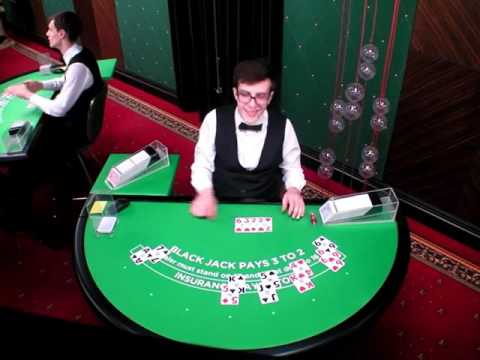
Live dealer innovations stream real-time casino games like blackjack, roulette, and baccarat from dedicated studios, allowing you to interact with a human dealer via chat while a camera captures every card flip or wheel spin. Multiple camera angles, including overhead and close-ups, ensure you see the action clearly, replicating a land-based feel on your screen. Key advancements include auto-recognition software that instantly digitizes physical cards and roulette numbers, reducing human error and speeding up gameplay. A common user question is: Q: Does streaming require a fast connection? A: Yes, a stable 10 Mbps download speed is recommended for buffer-free HD video during peak table hours. Features like side bets, bet-behind options for full tables, and personalized dealer interactions now run smoothly on mobile devices via adaptive streaming protocols.
Real-time interaction with croupiers via video
Real-time interaction with croupiers via video enables players to speak directly to the dealer through an integrated chat or microphone, allowing them to ask questions or request a slow deal. This two-way communication stream replicates the social cues of a brick-and-mortar table, where you can joke with the dealer or confirm a hand gesture. Live video chat with croupiers also lets you see the dealer shuffle and deal physical cards or spin a real roulette wheel, eliminating doubts about randomness. The dealer can verbally acknowledge your bet placement, reinforcing a sense of direct engagement. Such interaction requires a stable internet connection and often uses optical recognition to link your spoken requests to in-game actions.
Side bets and speed rounds in virtual tables
Side bets in virtual tables offer players additional wagering opportunities on specific outcomes, such as a perfect pair in blackjack or a suited triple in baccarat, without altering the core game. Speed rounds accelerate the standard deal, requiring quicker decisions as the virtual dealer reduces wait times between hands. This combination allows users to experience higher-frequency play while pursuing niche payouts, all within a streamlined, automated streaming interface. High-speed side bet action is a key draw for players seeking both variety and pace in virtual settings.
Side bets add instant payout options, while speed rounds cut downtime, making virtual tables a choice for fast, diverse play.
Mobile compatibility and chat features
Seamless mobile live dealer chat transforms any smartphone into a personal casino floor. Real-time messaging lets you interact directly with the dealer and other players without lag, all optimized for touch interfaces. The chat box avoids blocking game controls, allowing smooth bet placement while asking for a card pull. Key practical features include:
- Responsive chat scaling that adjusts font and input size across different screen widths
- Push-to-talk or quick-reply presets for fast communication during fast-paced rounds
- Persistent chat history viewable without pausing the live stream
- Dealer-side chat prioritization, so your message is seen instantly during gameplay
Bankroll Management and Wagering Tactics
Smart bankroll management means setting a strict loss limit before you sit down, so you never chase your money. For wagering tactics, flat betting—risking the same amount each round—protects your stack during cold streaks. Q: Should I always bet the minimum to survive longer? A: Not if your goal is profit; you need enough risk to capitalize on hot streaks while keeping bets under 2% of your total roll. Always divide your funds into session budgets and walk away when you’ve hit your win target.
Setting loss limits and time budgets
Setting predetermined loss limits before any session is critical; this cap, typically a percentage of your total bankroll, must be absolute—once reached, all play stops. Pair this with a strict time budget, defining exactly how many minutes you will spend at the tables. Use a timer or alarm, not your own perception. For example, a loss limit of 20% of your session funds combined with a 60-minute hard stop prevents chasing losses and fatigue-driven errors. Below is a comparison of these two controls.
| Control | Primary Function | Enforcement Tool |
|---|---|---|
| Loss Limit | Caps financial damage per session | Cash or digital wallet lockout |
| Time Budget | Limits exposure and fatigue | Physical timer or app alert |
Martingale, Fibonacci, and Paroli systems explained
In bankroll management, the Martingale, Fibonacci, and Paroli systems explained reveal three distinct wagering approaches. The Martingale system demands you double your bet after every loss, aiming to recover all losses with one win, though it risks rapid bankroll depletion. The Fibonacci system follows a sequence where each wager is the sum of the previous two, offering slower progression than Martingale but still escalating risk. Conversely, the Paroli system flips the script—you increase bets after wins, capitalizing on hot streaks while capping losses. Each tactic manipulates probability, yet none overcomes the house edge; they merely shape the volatility of your gameplay.
When to walk away from a hot streak
A hot streak creates an illusion of invincibility, but the house edge remains unchanged. The discipline of cashing out while winning demands setting a hard profit target before you place your first bet, such as doubling your session buy-in. Chasing a bigger win after hitting that target converts a lucky run into a loss. Herd mentality pulls you to stay, but the optimal exit is when your original stake feels insignificant compared to the winnings—that emotional detachment signals the streak has served its purpose. Leave the table before the variance swings back against you.
Regulatory Landscape and Fair Play
The regulatory landscape for fair play in casino games is built on provably random outcomes, typically verified through independent testing agencies that audit Random Number Generators (RNGs). For digital slots and table games, a certified RNG ensures each spin or hand is statistically independent and unpredictable. Live dealer games rely on rigorous surveillance and procedural checks to prevent collusion or manipulation. Players can often access game-specific Return to Player (RTP) percentages, which are mandated to be accurate and disclosed. The true pillar of fair play in casino games is the enforced separation between game software and operator control; no entity can alter a certified game’s payout structure post-deployment. Regulatory frameworks require operators to publish these certified RTP values and to blacklist specific hands or spins from being voided after the fact, ensuring every session is legally governed by the advertised odds.
Licensing bodies and payout audits
Licensing bodies like the UKGC or MGA require casinos to submit to regular payout audits by independent testers. These checks verify that the Random Number Generator works correctly and that advertised Return to Player percentages are accurate. For you, this means the house edge you see listed is actually in play. Real-time payout verification is your assurance that the math isn’t rigged mid-game. Q: How do these audits affect my winnings? A: They ensure every spin or deal has a fair, pre-set chance, so your payout odds match the game’s licensed rules, not a secret tweak.
Responsible gambling tools and self-exclusion programs
Responsible gambling tools enable players to set deposit limits, loss caps, and session time reminders directly within account settings, providing structured control over gameplay. Self-exclusion programs allow voluntary bans from all casino games for set periods, ranging from months to years, with enforced removal from marketing lists and account restrictions. Triggers for self-exclusion often require unwavering commitment, as reversal requests are typically denied during the active term to prevent impulsive decisions. Effective use of these tools demands proactive setup before engaging with games, not as a reactive measure after losses escalate. Casinos integrate these features into user dashboards, ensuring immediate access without navigating away from gameplay or support channels.
Random number generators versus physical randomness
In casino games, digital RNGs create mathematically verified randomness through algorithms, while physical randomness from dice or roulette wheels relies on chaotic physics. Certified RNGs eliminate human bias by passing rigorous statistical tests, ensuring each digital hand or spin is independent. Physical randomness, though tangibly real, introduces slight imperfections from wear or dealer rhythm. For players, the key difference is verifiability: RNG results are auditable via system logs, whereas physical outcomes rely on equipment integrity. Q: Can physical randomness be as trustworthy as an RNG? A: Yes, when casinos maintain pristine tables and wheels, but RNGs offer superior tamper-proofing and consistency for digital play.
Psychology Behind Repeated Play
The psychology behind repeated play in casino games hinges on intermittent reinforcement. Unlike predictable rewards, the random, unpredictable payouts from a slot or a hand of blackjack trigger a stronger dopamine response, keeping you hooked on the “next spin” or “next hand.” This is the same brain mechanism that makes checking a phone addictive. Your mind focuses on the near-misses and “almost wins,” which feel like progress, even though statistically casino usa you’re losing.
The brain treats a near-miss as a sign that a win is coming, fueling the cycle of repeat play.
This cognitive distortion makes it hard to walk away, as you chase the feeling of the next uncertain reward.
The near-miss effect and reward anticipation
The near-miss effect exploits your brain’s reward system by making a loss feel like a win. When slot reels stop just one symbol short of a jackpot, your dopamine neurons fire almost as if you had won, intensifying anticipation for the next spin. This false hope tricks you into thinking a win is “due,” fueling repeated play. Casinos engineer these close calls—like the “almost” number on a roulette wheel—to sustain excitement and delay quitting. The effect is strongest when the reward is large but unpredictable, hijacking your natural learning loop.
Why does a near miss feel like a win? Because your brain’s reward center interprets the close outcome as a sign of skill or imminent success, not random chance, amplifying compulsion.
Compulsive behavior triggers in design
Game design often weaponizes variable reward schedules to hook players. When a spin unpredictably pays out big or barely misses, your brain’s dopamine system fires hard, compelling another try. Near-miss visuals, like two matching symbols stopping just short, mimic a win to keep you chasing. Rapid, “loss disguised as a win” effects, where a payout is less than the bet but celebrated with lights and sound, trick your perception of success. Lingering animations after a loss slow your next click, creating a frustrating pause that often makes you play faster.
How lighting, sound, and layout affect decisions
In casino design, environmental psychology in gambling leverages lighting, sound, and layout to nudge players toward prolonged risk. Dim, shadowed lighting obscures time perception, encouraging longer sessions. Rhythmic sounds, like slot machine chimes, create a conditioned reward loop that masks losses. Layouts deliberately remove clocks and windows, while maze-like pathways force players past more games. This works through a distinct sequence:
- Ambient lighting reduces temporal awareness, lowering the impulse to stop.
- Auditory feedback from wins triggers dopamine release, reinforcing repeated wagers.
- Confusing floor plans eliminate clear exits, compelling continued play.
Each element directly disrupts rational decision-making, trapping the player in a disorienting loop.
